








14 packing tips from people who pack for a living

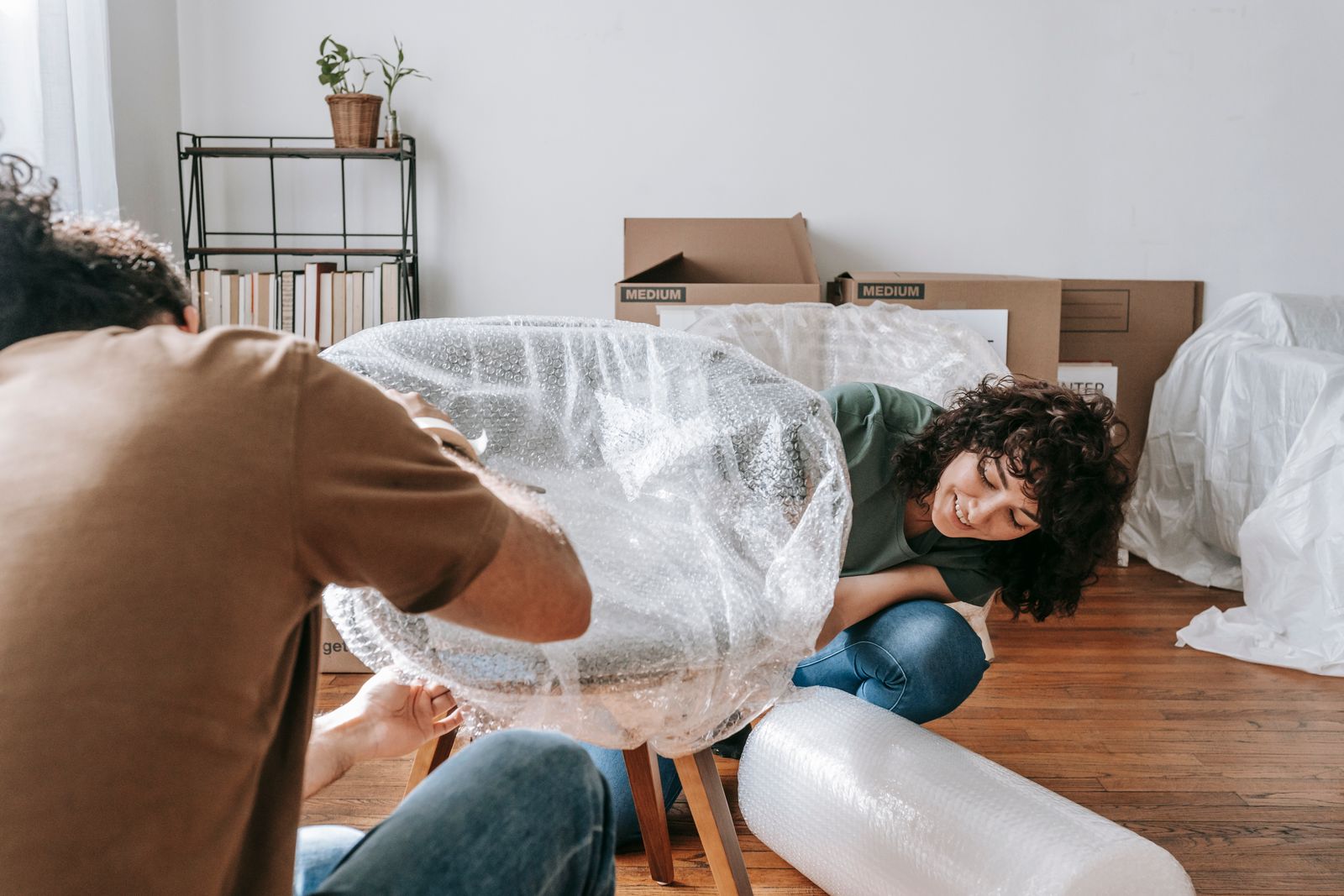
Our packers wrap thousands of plates, glasses and picture frames every year. Most damage we see on do-it-yourself packed boxes comes from the same few mistakes: boxes that are too big, not enough paper, and heavy items packed on top of fragile ones. Here is how the pros avoid them.
Start with the right materials
- Buy new double-walled boxes in small, medium and large. Grocery store boxes are weak and uneven.
- Use plain packing paper, not newspaper. Ink transfers onto dishes and fabric.
- Get dish pack boxes with cell dividers for glasses and stemware.
- Wardrobe boxes save hours of folding and keep clothes wrinkle-free.
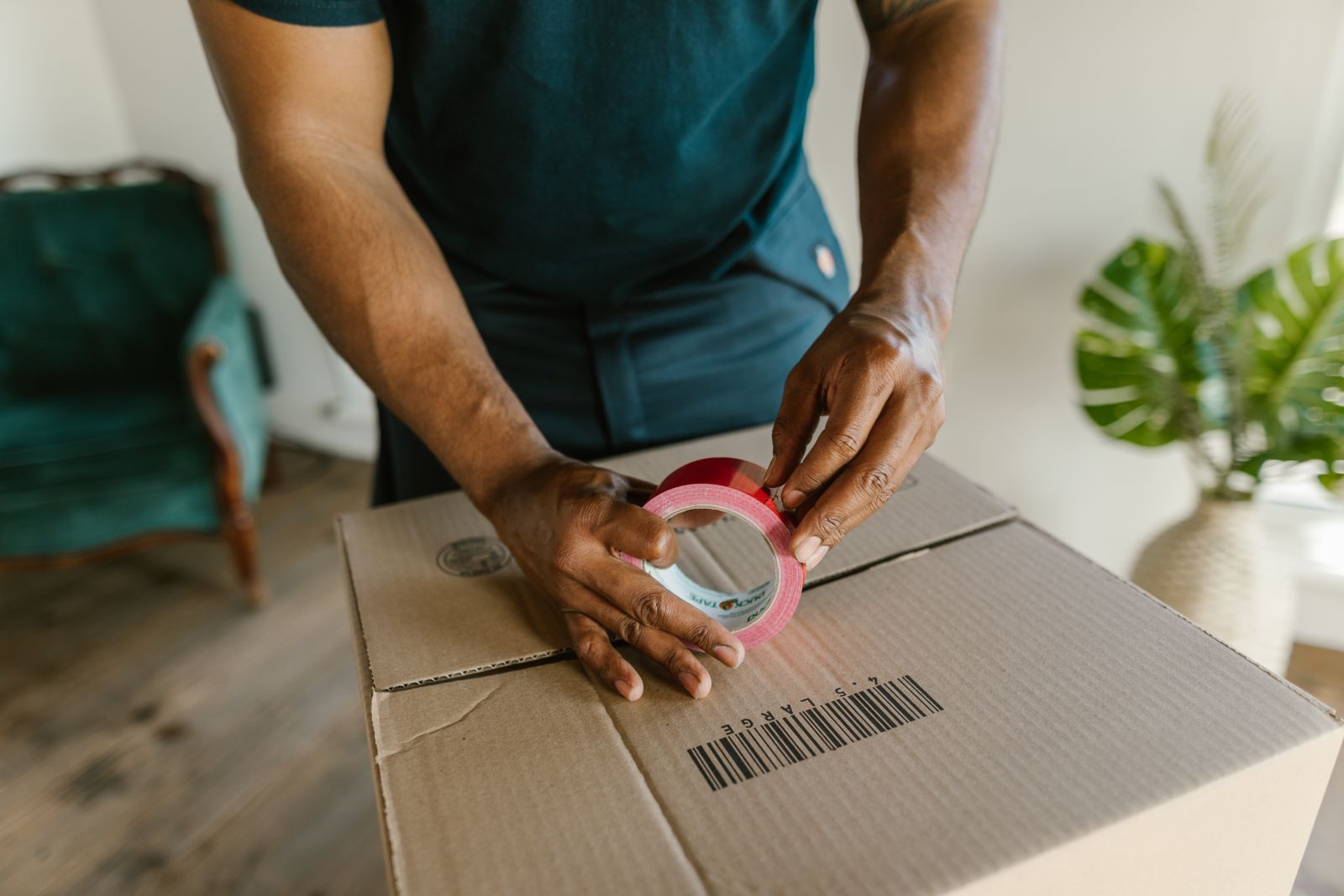
- Use real packing tape with a dispenser, not duct tape or masking tape.
Pack by weight, not by room size
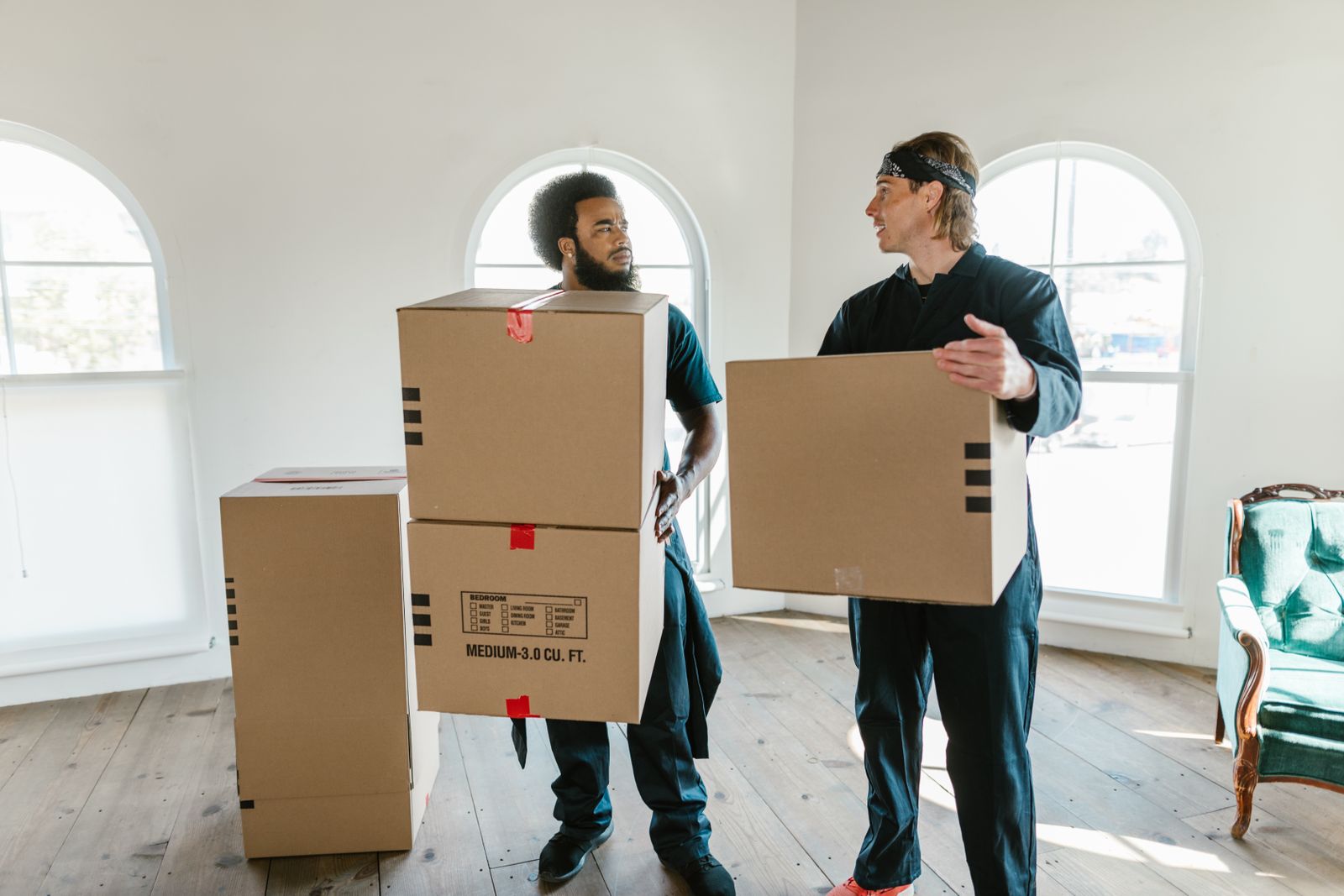
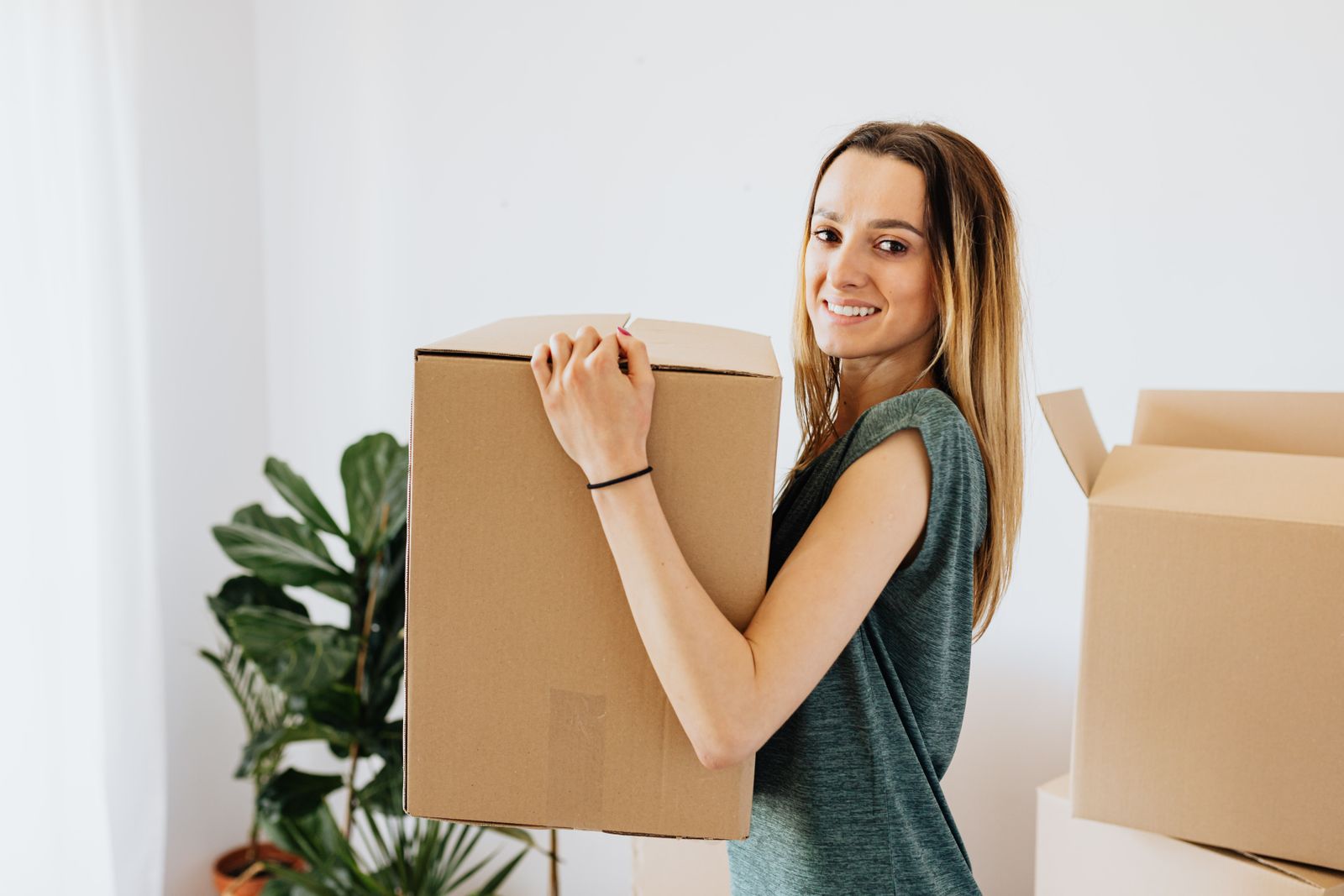
The single most useful rule: heavy things go in small boxes, light things go in big boxes. A large box full of books can weigh more than 70 pounds and is likely to fail at the bottom. Books, canned goods and tools belong in small boxes. Pillows, lampshades and linens can fill large ones.
Kitchen tips
Stand plates on edge
Wrap each plate in two or three sheets of paper and stand them upright in a dish pack like records. Plates on edge are far stronger than plates stacked flat.
Crumple a cushion first
Put three to four inches of crumpled paper in the bottom of every fragile box before anything goes in, and fill every gap at the top so nothing shifts when you tilt the box.
Pack a first-night kitchen box
Include a pan, a knife, a cutting board, two plates, two mugs, coffee, dish soap, a sponge and a roll of paper towels. Label it clearly and load it last.
Bedrooms and closets
Leave light clothing in dresser drawers if the dresser is sturdy, but remove anything heavy or breakable. Hanging clothes go straight into wardrobe boxes. Put jewelry and important documents in a bag you carry yourself.
Electronics
Take a photo of the back of your TV and computer before unplugging anything, so reconnecting is easy. Use original boxes if you have them. Flat-screen TVs travel best in a padded TV box, standing upright.
Labeling that actually helps
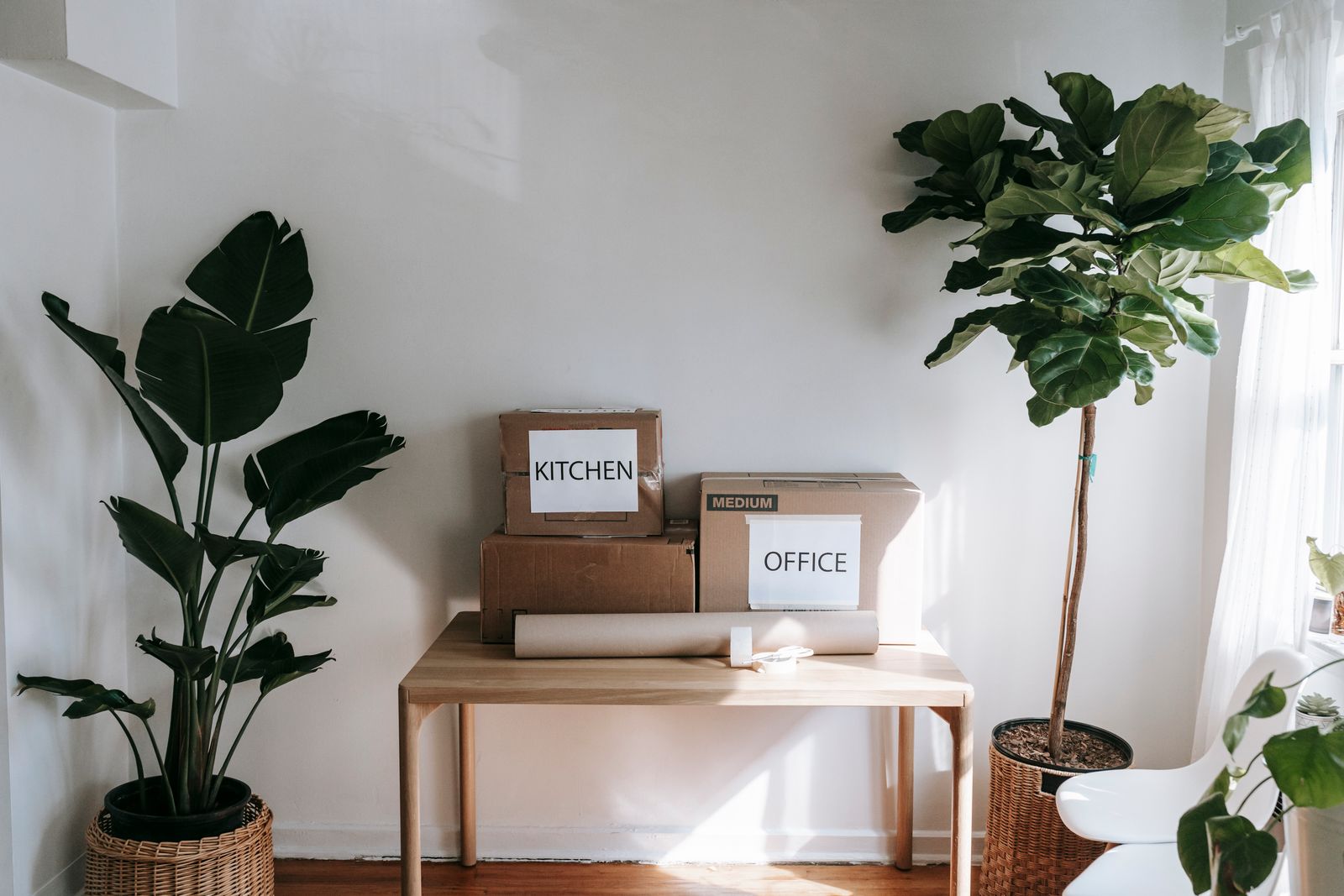
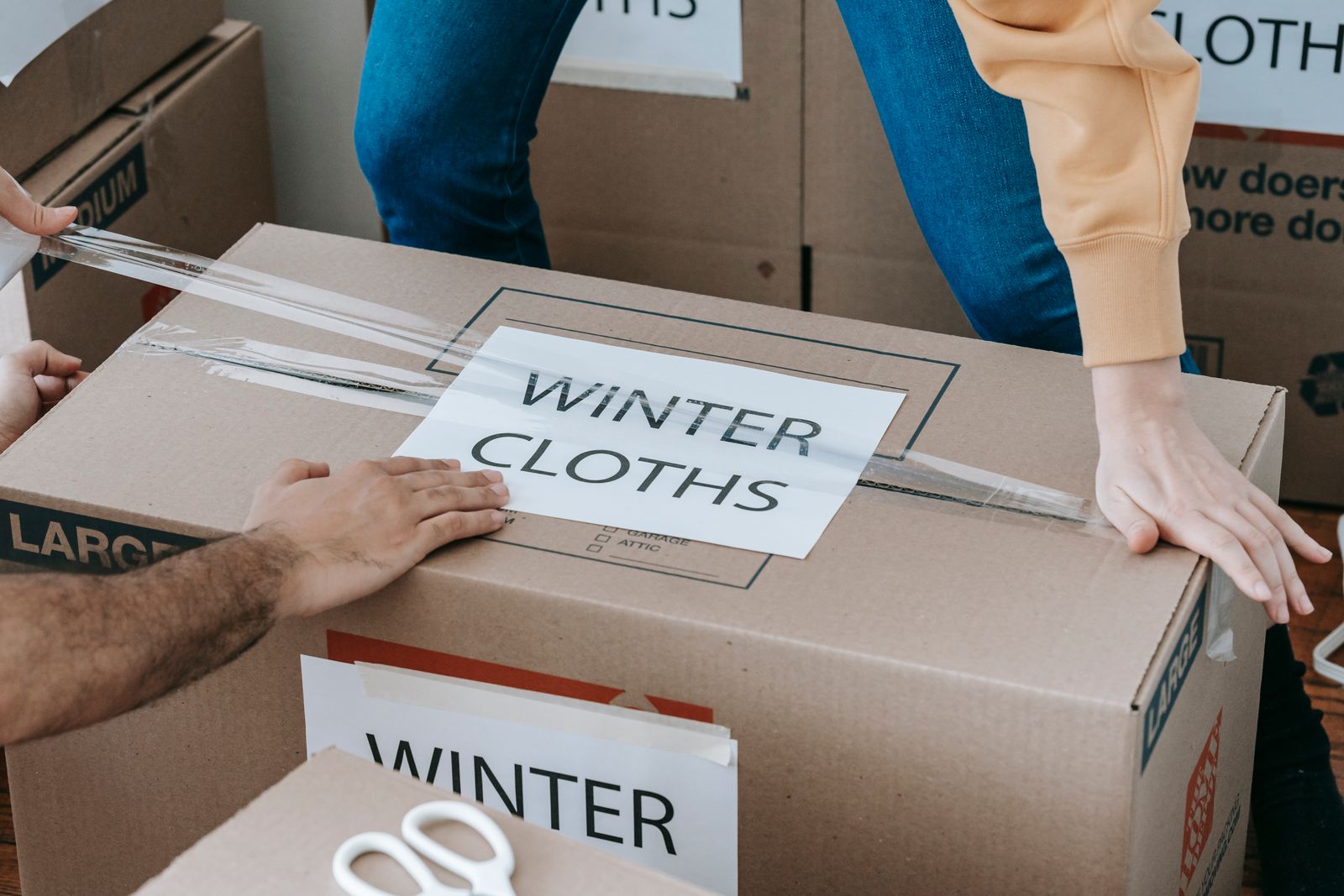
- Label two sides of every box, not the top, so labels stay visible in stacks.
- Write the destination room and a short contents list.
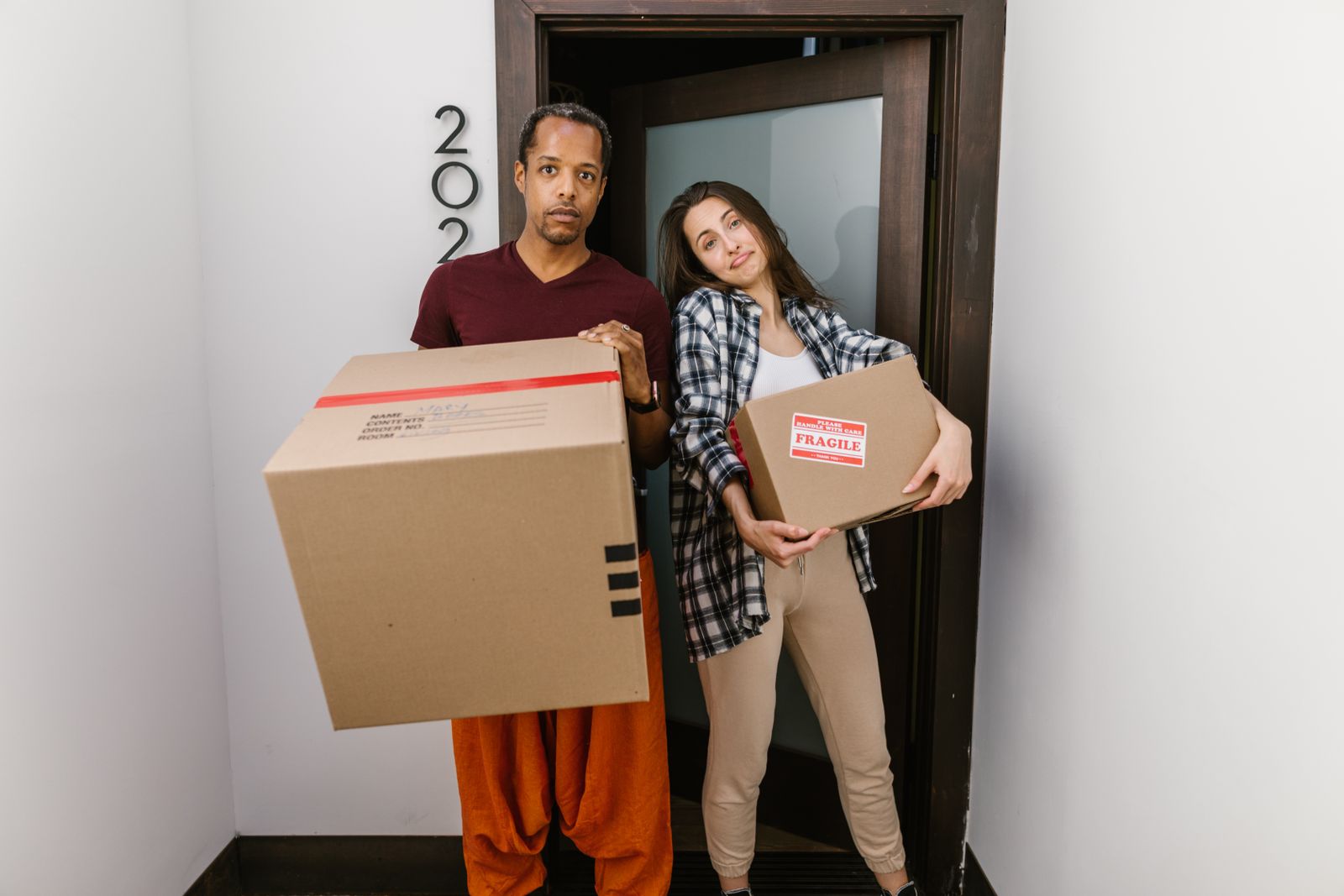
- Mark fragile boxes clearly and note which side is up.
- Number boxes and keep a simple list on your phone.
If you only change one habit, make it this: heavy in small boxes, light in large boxes.
When to call in help
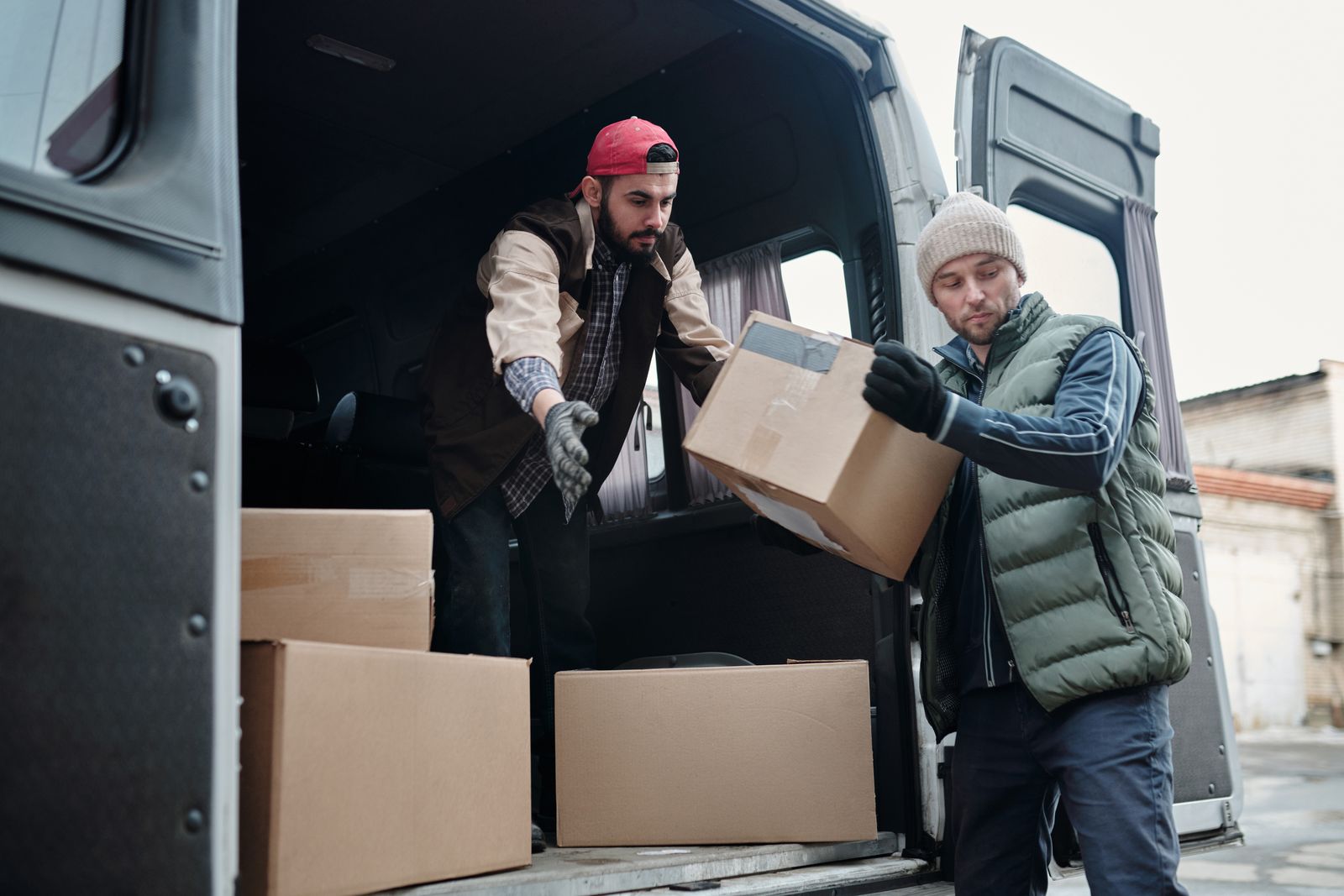
Most people underestimate packing time by half. A typical three-bedroom home takes one to two full days for a professional crew and often a week or more of evenings for a family. If your timeline is tight, a partial pack of the kitchen and fragile items is a good middle ground. It covers the hardest, most breakable rooms while you handle books, linens and clothes.
Whatever you decide, start early with the rooms you use least, and keep one box open for last-minute items so you are not taping up boxes at midnight before the truck arrives.